
Finance Guides & Money Explainers
266 guidesPlain-English guides on debt, loans, investing, tax, and everyday money — written by the Anyday Calculator team and backed by our calculators.
 Business & Tax
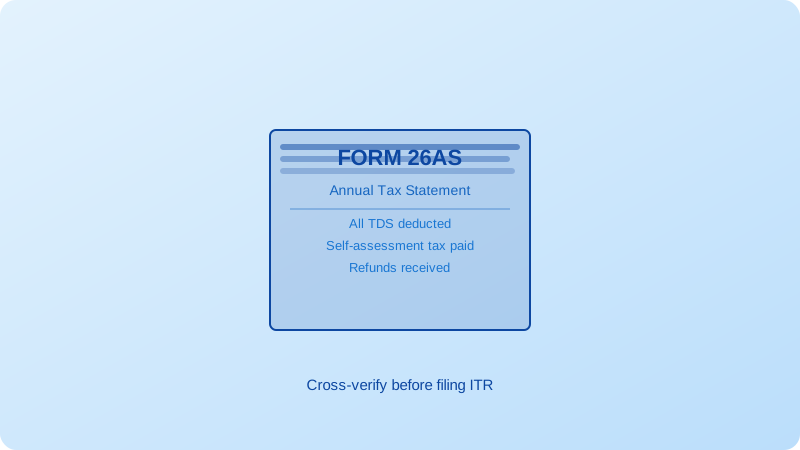
What Is Form 26AS? Your Complete Tax Credit Statement Explained
Form 26AS is the one document that knows everything the government knows about your income — always reconcile before you file.
 Elena·3 min·
 Business & Tax
Advance Tax in India: Who Pays It, When, and How to Calculate It
If your tax liability exceeds ₹10,000 in a year, the government expects you to pay in advance — missing the deadlines costs you interest.
Elena·4 min·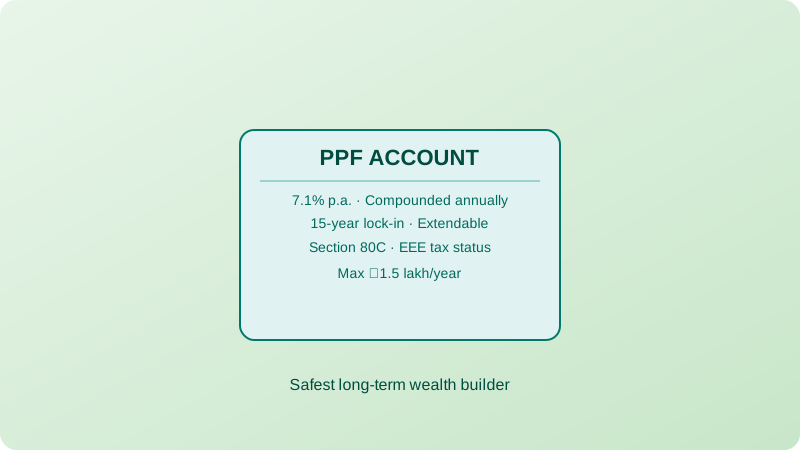 Investing
PPF Account Explained: India's Most Trusted Long-Term Savings Scheme
PPF is one of India's safest ways to build a tax-free corpus over 15 years — here's everything you need to know.
 Priya·3 min·
 Investing
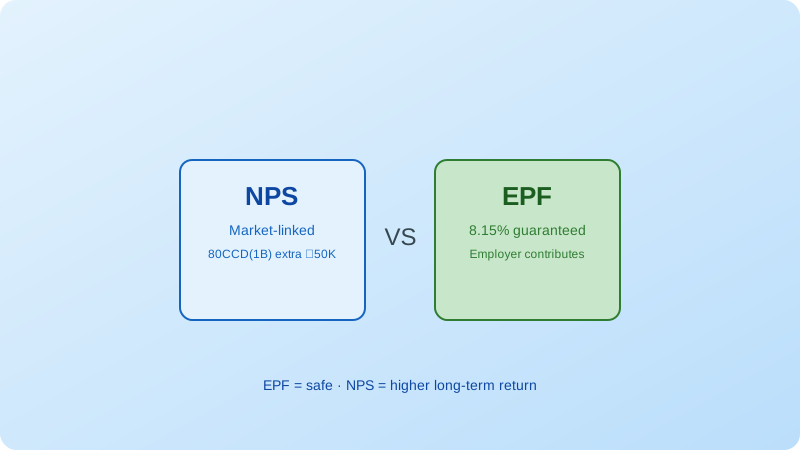
NPS vs EPF: Which Is Better for Your Retirement in India?
NPS offers market-linked growth and extra tax breaks; EPF offers guaranteed safety — choosing between them depends on your risk appetite and employment type.
Priya·4 min· Investing
Sukanya Samriddhi Yojana Explained: Save Tax While Securing Your Daughter's Future
SSY offers the highest government-backed interest rate among small savings schemes, exclusively for parents of girl children.
Priya·4 min·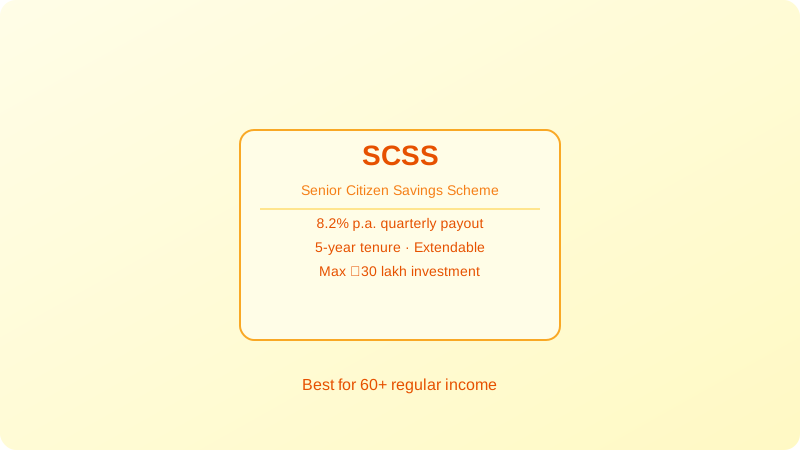 Saving & Investing
Senior Citizen Savings Scheme (SCSS): High-Interest Safety Net for Retirees
SCSS pays 8.2% p.a. with quarterly payouts — the highest government-guaranteed rate available to Indian retirees.
 Maya·4 min·
 Saving & Investing
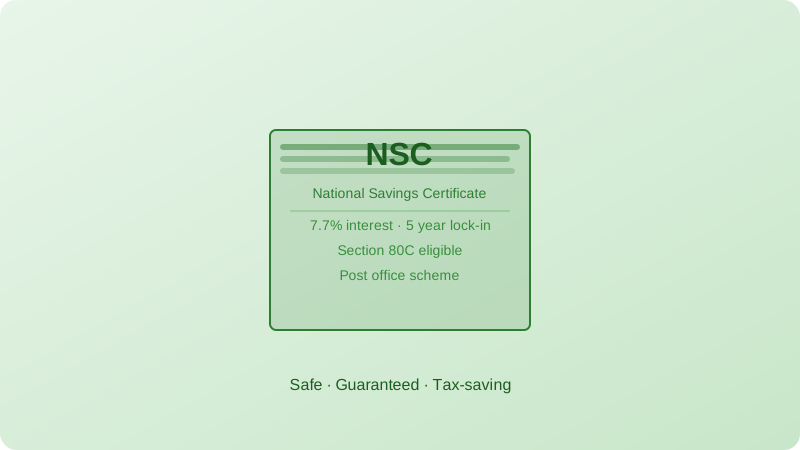
National Savings Certificate (NSC) Explained: A Beginner's Guide
NSC is a five-year, government-backed savings bond offering guaranteed 7.7% returns with annual 80C tax deductions on accrued interest.
Maya·4 min·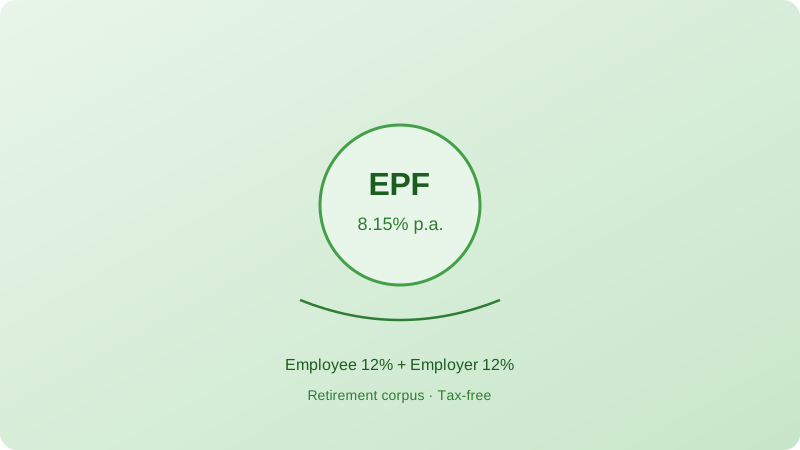 Investing
Provident Fund Explained: EPF, GPF, and PPF in Plain English
India has three types of provident funds — knowing which one applies to you is the first step to maximising your retirement savings.
Priya·4 min·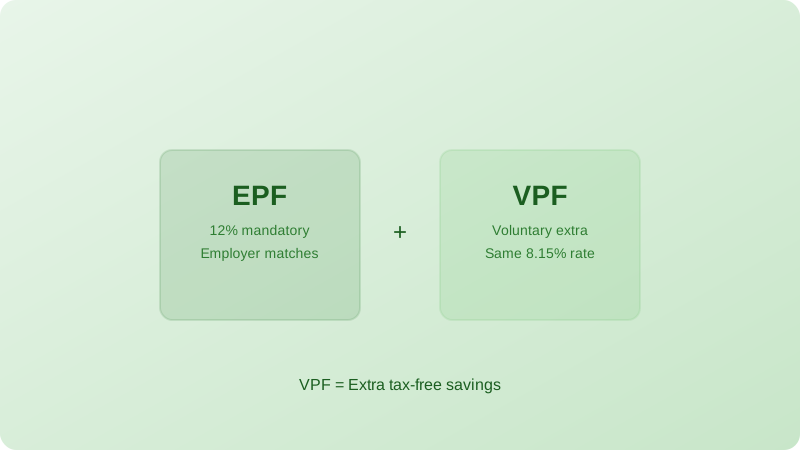 Investing
EPF vs VPF: Should You Increase Your Provident Fund Contribution?
VPF lets you earn EPF's 8.25% guaranteed rate on any extra savings you park — but there are tax and liquidity trade-offs to weigh.
Priya·3 min·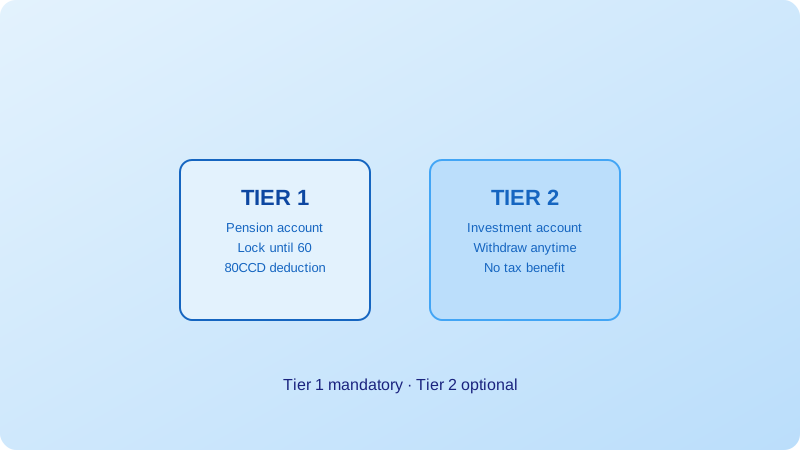 Investing
NPS Tier 1 vs Tier 2: What's the Difference and Which Should You Use?
NPS Tier 1 locks your money until retirement for maximum tax savings; Tier 2 is a flexible add-on that works like a mutual fund with no tax perks.
Priya·4 min·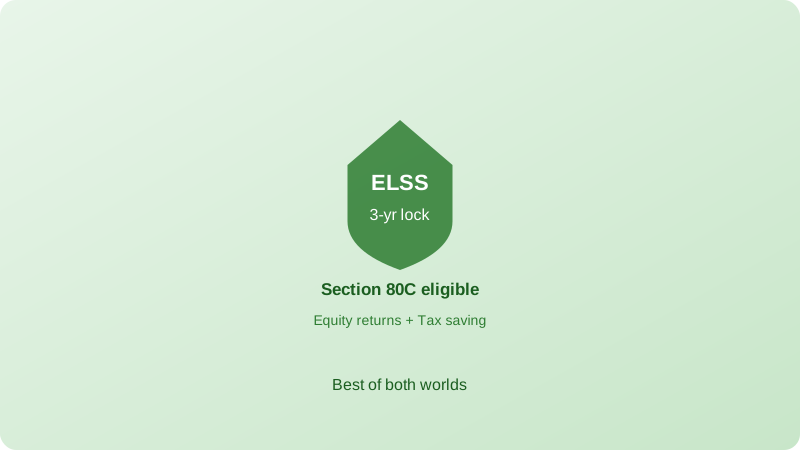 Investing
What Is ELSS Mutual Fund? The Shortest Lock-In in Section 80C
ELSS offers the only Section 80C investment with a market-linked return potential and just a 3-year lock-in — but it comes with equity risk.
Priya·4 min·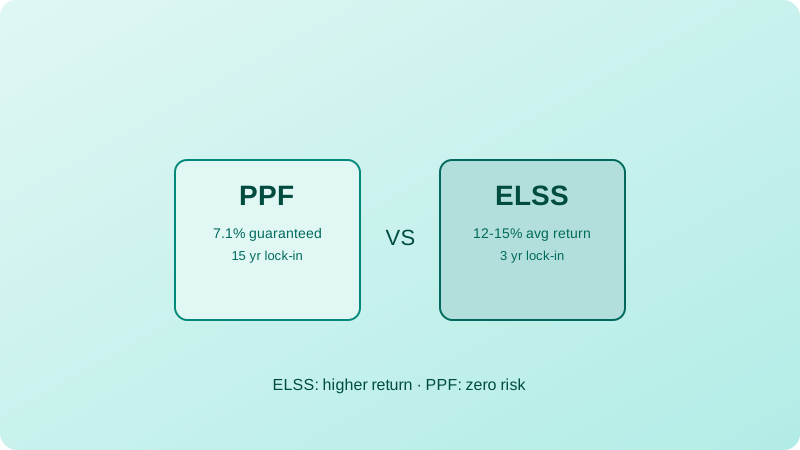 Investing
PPF vs ELSS: Which Is the Better 80C Investment for You?
PPF guarantees 7.1% tax-free; ELSS potentially delivers 12%+ with equity risk — your choice depends on when you need the money and how much volatility you can stomach.
Priya·4 min·
Looking for a calculator? Browse our free finance calculators →